
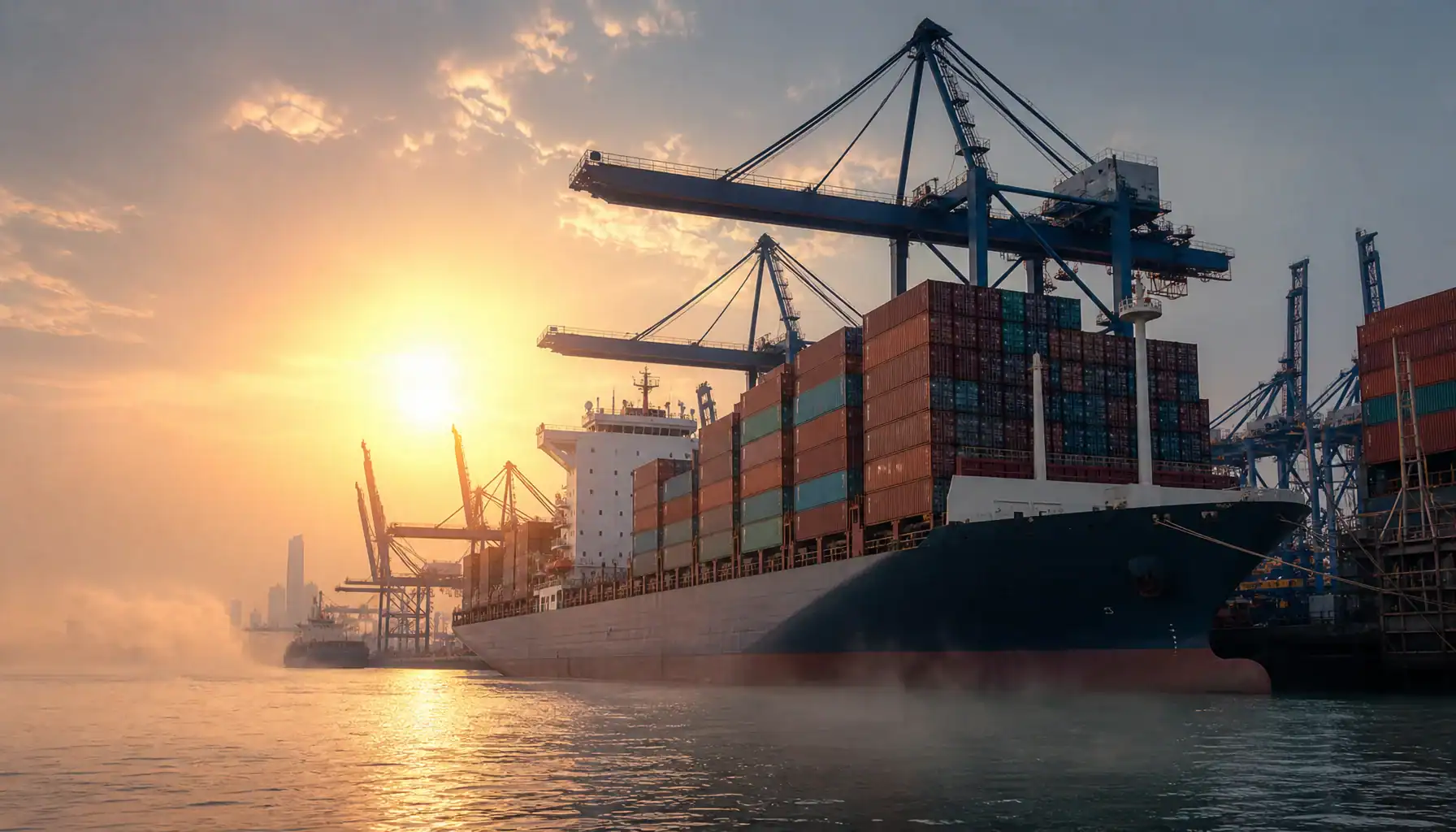
A practical guide for importers and exporters navigating Vietnam’s freight forwarding landscape
Why Choosing the Right Partner Matters
Your freight forwarder isn’t just a vendor. They’re the difference between a shipment that arrives on time with all the paperwork in order, and one that spends two weeks sitting in customs while you field angry calls from your buyer.
Vietnam’s export economy is booming — but its logistics systems can be, let’s say, character-building. The right forwarder knows which port officer to call when a container gets flagged. They know that the paperwork for exporting furniture to the EU looks nothing like the paperwork for shipping textiles to the US. And they know that “3-5 working days” actually means 3-5 working days — not sometime next month.
A good freight forwarder saves you time, money, and the kind of stress that makes you question your career choices. A bad one costs you all three — plus customers.
10 Questions to Ask Before You Sign
1. What’s your experience with shipments to my destination country?
Not all routes are created equal. A forwarder who’s great at Vietnam-to-Japan might have no idea how to handle Vietnam-to-Germany. Ask for specific examples — a forwarder who moves t-shirts to the US may not know how to handle ceramic tiles to Australia.
2. How do you handle customs clearance for my type of goods?
Customs is where shipments go to die — or at least take a very long nap. Your forwarder should know the specific HS codes for your products, what Vietnamese customs requires, and what the destination country requires. If they say “don’t worry about it” without giving you specifics, worry about it.
3. What’s your process when something goes wrong?
Something will go wrong. It’s logistics — it’s not about if, it’s about when and how they handle it. A good forwarder has a clear escalation process. If they claim nothing ever goes wrong, they’re either lying or they haven’t shipped enough yet.
4. Do you specialize in air freight, sea freight, or both?
Some forwarders are sea freight experts. Others live and breathe air cargo. A few do both well. Match their strengths to your needs — if you’re shipping high-value electronics that need to arrive in 5 days, a sea freight specialist isn’t your best friend.
5. What documentation services do you provide?
Bill of Lading. Certificate of Origin. Packing List. Commercial Invoice. Phytosanitary Certificate. If reading that list made you tired, you need a forwarder who handles it for you.
6. How do you communicate updates?
Some forwarders send you a tracking number and call it a day. Others provide proactive updates: port departures, customs progress, delays with ETAs. You want the second kind.
7. What’s your network like at the destination port?
A freight forwarder is only as good as their partners on the other end. Strong agent relationships mean fewer surprises when your cargo arrives.
8. Can you handle both FCL and LCL shipments?
Full Container Load and Less than Container Load are different beasts. LCL requires consolidation, deconsolidation, and more coordination. If you’re shipping smaller volumes, make sure your forwarder actually does LCL — not all of them do it well.
9. What insurance options do you offer, and what’s actually covered?
Standard carrier liability covers surprisingly little — think cents per kilogram, not the actual value. Ask about cargo insurance: what it covers, what it doesn’t, and what it costs.
10. Can I speak with a current client on a similar route?
Not every forwarder will say yes — and that’s fine. But the ones who can connect you with a reference are showing confidence. Even a brief call tells you more than any website.
Red Flags to Watch For
- They won’t give you specifics. Trust me is not a logistics strategy.
- They quote the lowest price without explaining why. In freight, you usually get what you pay for.
- They’re hard to reach. If they take three days to reply before you’ve signed, imagine after.
- They can’t explain their process. A competent forwarder can walk you through every step.
How We Work at Everbest
We specialize in international air and sea freight from Vietnam, with a particular focus on helping businesses navigate Vietnamese customs and documentation.
Here’s what you get: real communication — no radio silence. Documentation handled — we manage the paperwork. Problems solved — we have people on the ground. No surprises — we tell you what’s happening, what it means, and what we’re doing about it.
If that sounds like what you need, get in touch and we’ll talk about your specific situation. No hard sell, no obligation — just an honest conversation about whether we can help.